Newswire · Tax & incentives
The Auto-Loan Interest Deduction Now Has Real Paperwork — Here's the Correction
We deliberately didn't print specifics on this deduction before. The IRS paperwork is public now, so here's the correction, with real thresholds and a VIN rule.
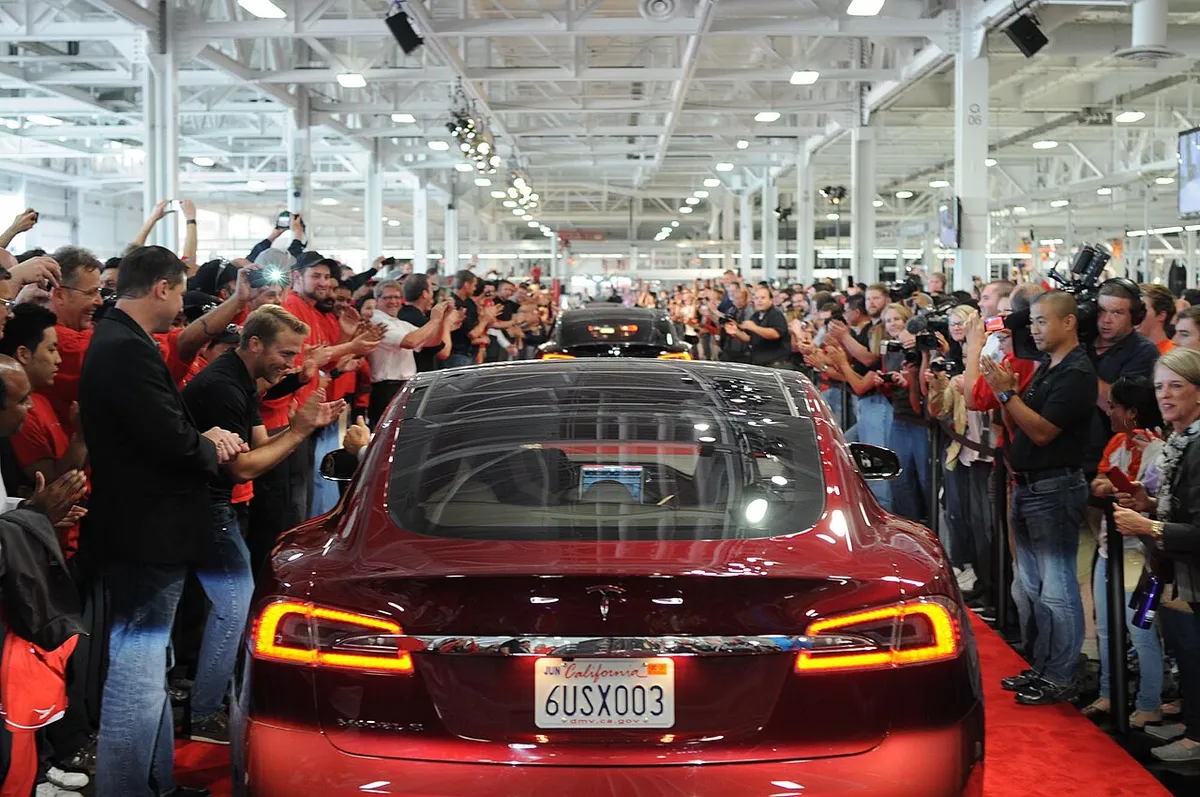
Back in July we published a post pairing the Tesla referral program with the new federal auto-loan-interest deduction, and deliberately declined to print income limits or a phase-out schedule — this site's beat is the referral program, not tax law, and the guidance wasn't settled enough to quote with confidence. It's settled now, with real IRS paperwork attached, so here's the correction with the specifics.
Our earlier post said: "we're not going to print income limits, phase-out schedules, or a definitive eligibility list here." That was the right call at the time — it's now possible to state the actual numbers below, sourced to TurboTax's IRS-rules explainer and Clean Energy Credit Union's 2026 guide.
The deduction, with numbers this time
Up to $10,000 a year of qualified auto-loan interest is deductible. It's a recurring, above-the-line deduction — meaning no itemizing required — replacing the purchase tax credit that ended September 30, 2025. To qualify, the vehicle has to be new, under 14,000 lb, finally assembled in the US, for personal use, and bought after December 31, 2024 and before January 1, 2029. Used vehicles and leases don't qualify at all.
The VIN rule that decides US assembly
Final-assembly location is checked by the vehicle's VIN: a first digit of 1, 4 or 5 indicates US assembly. A Fremont-built Model 3, for example, meets that test. If you're unsure about a specific Tesla configuration, checking the first VIN digit against this rule is the concrete, sourced way to confirm — not a guess based on where the brand is headquartered.
The phase-out, and the new paperwork
The deduction phases out starting at $100,000 modified adjusted gross income (MAGI) for a single filer, or $200,000 for a married couple filing jointly, shrinking 20% for every $10,000 of income above that line. Starting with tax year 2026, lenders report the interest on a new Form 1098-VLI, and the vehicle's VIN goes on a new Schedule 1-A when you file — paperwork that didn't exist when we wrote our first post on this.
What changed, and what still hasn't
Worth being exact about the standard we just applied to ourselves, because "we wouldn't print it, now we will" is a claim about evidence rather than about the deduction.
What changed is that the rules acquired paperwork — a reporting form and a VIN requirement — which means the figures are no longer a reading of intent but a description of a filing process. That is a genuinely higher grade of evidence than commentary, and it is the threshold we set for upgrading a "we won't say" into numbers.
What still hasn't changed is the grade of the sources cited above. A tax-software explainer and a credit union's guide are competent secondary readings, not the governing text. So the honest status of every figure in this correction is quotable, not primary — and if you are about to rely on one, the document that actually governs is the IRS form and its instructions, not this page and not the two sources this page names.
We are saying that plainly because a correction is exactly where a site is most tempted to overclaim. Publishing numbers after declining to is a step up in confidence, and it should come with its own ceiling attached.
The paperwork is the part you can act on
Of everything in this correction, the reporting requirement is the only element that asks something of you before you file — and it asks it of your lender, not of Tesla:
- Confirm your lender will issue the interest statement. A deduction that depends on reported interest depends on someone reporting it. This is a question for whoever holds the loan, and it is far easier to ask when you arrange financing than in the following February.
- Check the VIN on the loan documents matches the car you took delivery of. Where a rule keys on the vehicle, a mismatched or missing VIN is an administrative problem that surfaces at the worst possible time. It costs nothing to check at signing.
- Keep the delivery paperwork with the loan paperwork. They come from two different parties and are needed together — which is the commonest reason a legitimate claim turns into a scramble.
None of this touches the referral benefit, which is settled before the loan exists and needs no documentation from anyone. That contrast is the reason we keep the two on separate lines rather than summing them: one is confirmed on a screen before you pay, the other depends on two organisations filing correctly, months later.
Where the referral program still stands apart
None of this changes how a Tesla referral code works. The referral's FSD (Supervised) trial is a software benefit checked in the order summary before you pay; this deduction is a federal tax item claimed later, on a return, using Form 1098-VLI and Schedule 1-A. Your MAGI has no bearing on whether your referral applies, and using a referral code has no bearing on your MAGI. They're still two separate savings — we just have real numbers for one of them now.
As before: confirm your own eligibility, your VIN's assembly digit, and your MAGI against the phase-out with a tax preparer or the IRS directly. This page states the figures now on the public record; it isn't a substitute for a filing.