Desk notes · tesla referral code
Stacking a Tesla Referral Code With the 2026 Auto-Loan Deduction
One is a Tesla program we verify ourselves. The other is federal tax law we don't cover as a beat. Here's how to think about both without confusing one for the other.
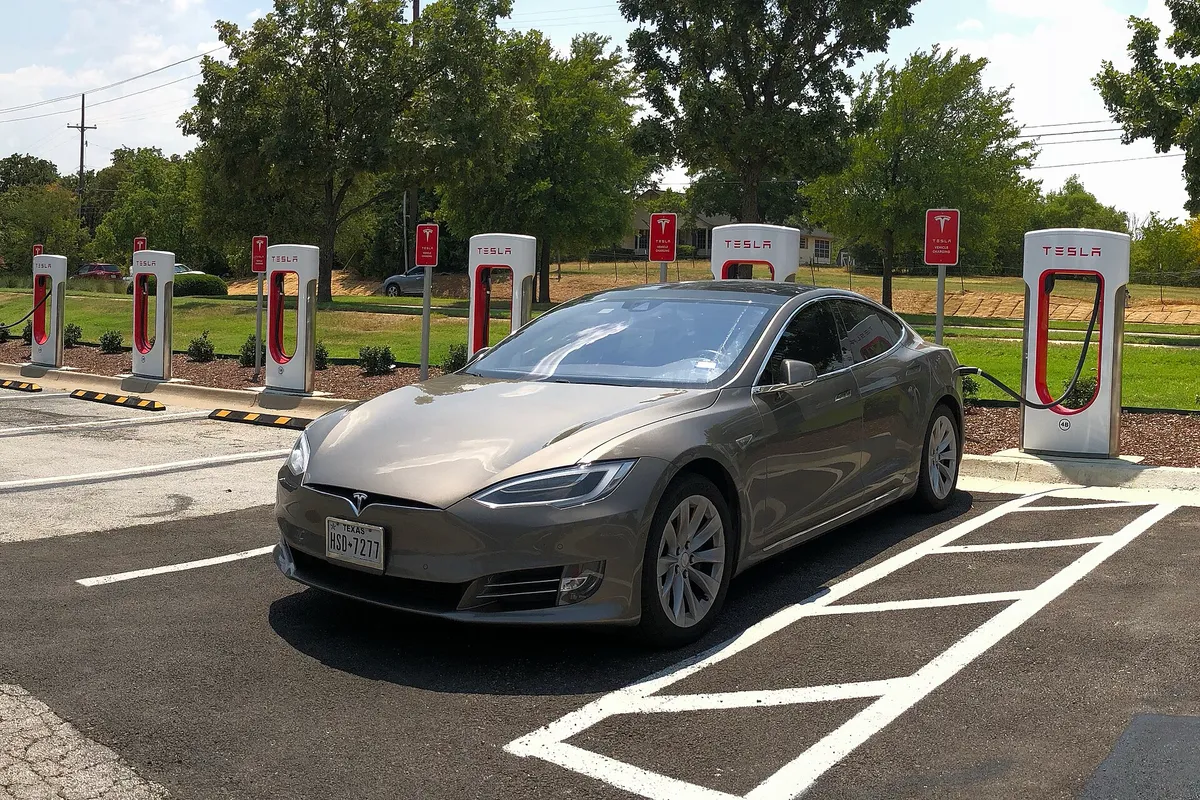
Financing a Tesla in the US in 2026 can put two entirely separate savings in front of the same buyer: the referral program's FSD (Supervised) trial, and a federal deduction on auto-loan interest that took effect after the previous purchase tax credit ended. They get talked about together often enough that it's worth being precise about what each one actually is — and what neither one is.
What the referral actually adds
A referral code opened before ordering gives an eligible buyer three months of Full Self-Driving (Supervised) — about $300 in value at roughly $99/month — on Model 3, Model Y or a qualifying Cybertruck trim. It has nothing to do with financing: whether you pay cash, finance, or lease, the benefit is the same trial, applied the same way, checked in the same order-summary line. Using a referral doesn't change your loan terms in either direction.
The auto-loan interest deduction — what we can actually confirm
Separately from anything Tesla runs, US tax law changed after the federal EV purchase tax credit ended on September 30, 2025: a new deduction of up to $10,000 on interest paid on qualifying vehicle loans has been reported for vehicles that meet assembly and other eligibility conditions. This site's beat is the Tesla referral program, not tax law, so we're not going to print income limits, phase-out schedules, or a definitive eligibility list here — those details are specific, change with guidance, and are exactly the kind of thing a page like this shouldn't guess at. Confirm current eligibility, the exact deduction amount for your situation, and whether your loan and vehicle qualify with the IRS or a tax preparer before you count on it.
A hedged, clearly hypothetical 2026 example
To make the math tangible without pretending to know your exact numbers: imagine a buyer finances $52,000 of a Model Y purchase over six years at a hypothetical 7% interest rate — every number in this sentence is an illustrative assumption, not a quoted Tesla or IRS figure. Roughly, first-year interest on a loan like that runs in the neighborhood of $3,000–$3,500, comfortably under the reported $10,000 deduction cap; a buyer with a larger loan, a higher rate, or a longer term could approach or exceed that cap in a given year. The referral's FSD trial (~$300) sits entirely outside this calculation — it's a software benefit, not a financing term, and doesn't touch the loan-interest math either way.
The referral figures above are checked against Tesla's Refer and Earn page as of July 13, 2026. The auto-loan-interest deduction and its cap are described here for context only and are not independently re-verified by this site — confirm with the IRS or a tax preparer.
Two independent savings, not one combined discount
It's worth stating plainly because the two get conflated: a referral code does not affect your eligibility for the loan-interest deduction, and the deduction does not affect whether your referral applies. One is checked in Tesla's order summary before you pay; the other is claimed on a tax return, months later, using your own loan and income details. Neither modifies the other's numbers.
What to confirm before you count on either
- For the referral: confirm the FSD trial line is showing in your order summary before you submit — see our checkout walkthrough for the full sequence.
- For the deduction: confirm your vehicle's assembly location and your loan structure meet current IRS guidance, and confirm the numbers with a tax preparer — do not rely on a referral-code website for tax eligibility.
Used correctly, neither savings competes with the other for your attention at the moment that matters: the order summary is where you check the referral; a tax filing, later, is where you'd claim the deduction if you qualify. Keep the two separate in your head and you won't overpay attention to either one at the wrong moment.