Desk notes · tesla referral code usa
The Federal EV Credit Is Gone — and the Home-Charger Credit Just Expired Too
Two federal incentives a Tesla buyer used to count on are both gone now — one since last September, one as of a few weeks ago. Here's what's actually left to stack with your referral.
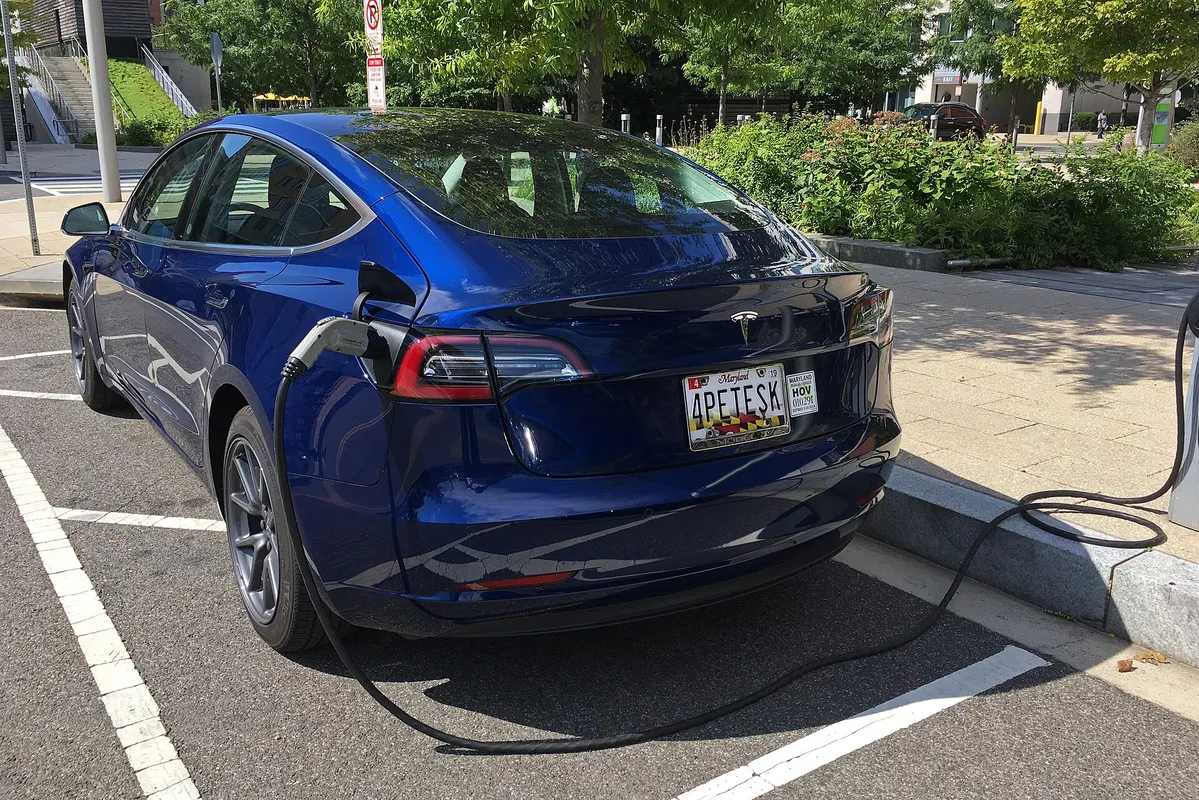
US buyers researching a Tesla referral code often assume the federal EV tax credit is still sitting there as a second discount to stack on top. It isn't, and as of the past few weeks, a second incentive that used to fill part of that gap has closed too. Here's the current US incentive picture, and where a referral code's FSD (Supervised) trial actually fits into it.
The $7,500 purchase credit: gone since last September
The federal new-clean-vehicle credit — worth up to $7,500 at the point of purchase or through a tax filing, depending on how a buyer claimed it — ended on September 30, 2025. There is no federal purchase incentive on a new Tesla bought in 2026. If you're comparing today's total cost of ownership to a Tesla you or a friend bought in 2024 or early 2025, that $7,500 gap is the single biggest reason the numbers look different, and it has nothing to do with the referral program.
The home-charger credit: closed June 30, 2026
A smaller federal incentive — the Section 30C credit, covering 30% of the cost of home EV-charging equipment up to $1,000 — ran through June 30, 2026. If you installed a home charger before that date, it's worth confirming with a tax preparer whether you can still claim it on your return. If you're installing one now, this credit is no longer available; budget the full cost of your home charging setup rather than assuming a rebate will offset part of it.
Checked against Tesla's own incentives page and third-party tax-credit tracking. The $7,500 new-clean-vehicle credit ended 2025-09-30; the Section 30C home-charger credit (30%, up to $1,000) ran through 2026-06-30 and has now closed.
What that leaves for a US buyer ordering today
Two things remain in the picture, and they're unrelated to each other and to the referral program: a reported federal deduction of up to $10,000 on interest paid on qualifying auto loans for US-final-assembly vehicles bought between 2025 and 2028, and whatever state-level EV incentives your state still runs (these vary too much to summarize honestly here — check your state's current program before relying on a figure). Neither is a point-of-sale discount the way the old $7,500 credit was; the loan-interest figure is a deduction claimed on a return, and its exact value depends on your loan size, rate and term. We covered a hedged, illustrative example of that math in a separate post on stacking a referral with the auto-loan deduction.
Where the referral code still fits
None of the above changes what a Tesla referral code does. Open a valid ts.la/<code> link before configuring an eligible Model 3, Model Y or qualifying Cybertruck, and the order gets three months of Full Self-Driving (Supervised) — about $300 in value — regardless of which federal incentives are or aren't currently active. The referral and the tax-side incentives are entirely separate mechanisms: one is applied by Tesla at checkout, the other is claimed on a return months later, and using one has no effect on your eligibility for the other.
The timing question worth asking instead
With the two federal purchase-side incentives now closed, the practical question for a 2026 buyer isn't "should I wait for a credit to come back" — nothing published suggests either is returning — it's whether your state still runs an active incentive and whether the loan-interest deduction meaningfully offsets your specific financing. The referral code's value doesn't change either way, and it doesn't expire the way the home-charger credit just did — see the full current figures on the US edition before you order.