Desk notes · model 3 vs model y running costs
Five Ways People Get the Model 3 vs Model Y Running-Cost Math Wrong
The bigger car doesn't automatically cost more to run. Here's where the real gap sits, in EPA numbers and cents per mile, and where people check the wrong thing entirely.
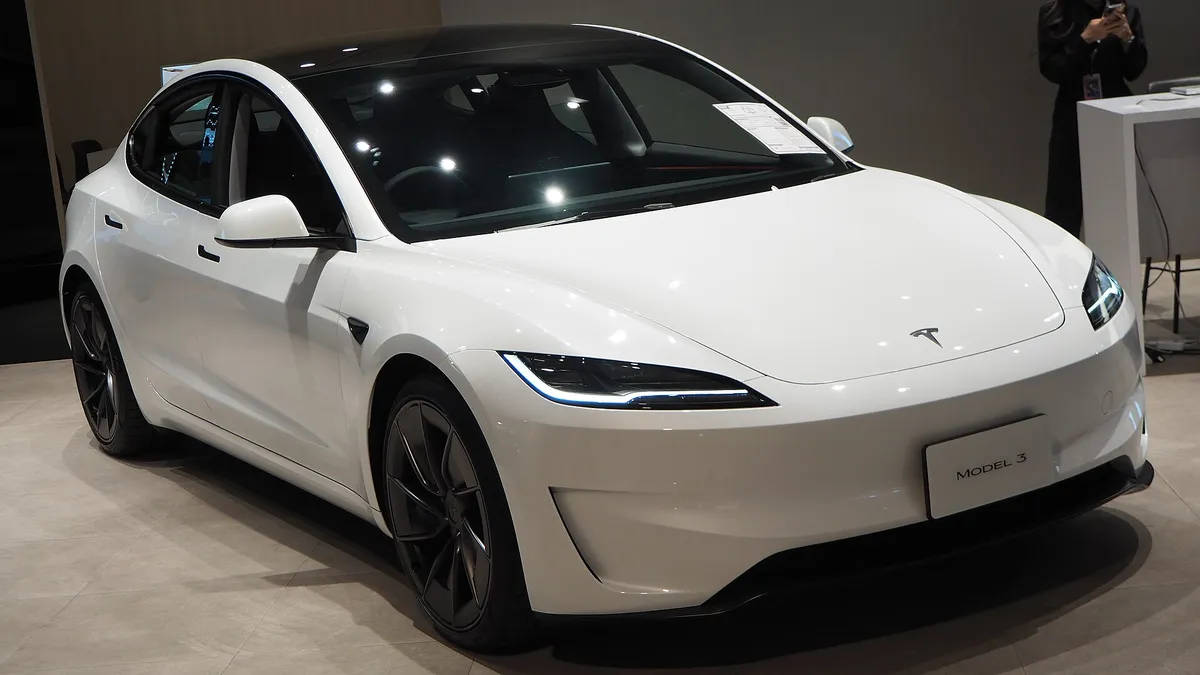
"The Model Y costs more to run because it's bigger" is one of the most repeated assumptions in a Model 3 vs Model Y comparison, and the EPA's own efficiency numbers don't back it up for the trims most people actually cross-shop. Here are five specific places the running-cost math goes wrong, with the numbers to check it yourself.
Mistake 1 — comparing sticker price, not all-in price
The Model 3 RWD starts at $36,990; the Model Y RWD starts at $39,990. Both carry the same $1,390 destination charge and $250 non-refundable order fee — $1,640 in fees either way — so the honest starting figures are about $38,630 for the Model 3 and $41,630 for the Model Y, not the bare sticker numbers usually quoted against each other.
Mistake 2 — assuming the bigger car costs more to charge
This is the mistake worth checking first, because the EPA's own combined efficiency ratings for the entry trims are nearly identical: the Model 3 Standard RWD is rated at 24 kWh per 100 miles (139 MPGe combined); the Model Y Standard RWD (18-inch wheels) is rated at 24 kWh per 100 miles too (138 MPGe combined). At the DOE's projected 2026 US average residential electricity price — a little above 18¢/kWh — that works out to roughly $4.30 per 100 miles of home charging for either car's entry trim: about 4.3¢ a mile, not a meaningfully different number.
| Trim | kWh / 100 mi | Combined MPGe | Est. cost / 100 mi at ~18¢/kWh |
|---|---|---|---|
| Model 3 Standard RWD | 24 | 139 | ~$4.30 |
| Model Y Standard RWD (18in) | 24 | 138 | ~$4.30 |
| Model 3 Performance AWD | 30 | 111–114 | ~$5.40 |
| Model Y Performance AWD | 32 | 105 | ~$5.75 |
Mistake 3 — treating "Model 3 vs Model Y" as one number
The table above makes the actual pattern visible: the real efficiency gap isn't Model 3-vs-Model Y, it's Standard-vs-Performance within each line. Going from Standard to Performance costs about the same extra per mile inside the Model 3 lineup as it does inside the Model Y lineup — roughly a quarter more per 100 miles either way. Comparing "a Model 3" to "a Model Y" without naming the trim on each side is comparing two different things and calling it one number.
Mistake 4 — trusting a national electricity number as if it's your rate
The ~18¢/kWh figure above is a national average, and residential electricity prices vary a great deal by state and utility — enough that the same car can cost meaningfully more or less to charge depending purely on where it's plugged in. Use the national number to sanity-check a claim, not to plan a budget; your own utility bill's per-kWh rate is the only number that actually applies to your driveway.
Mistake 5 — assuming the referral changes the comparison
A referral code doesn't tilt this math either way. The buyer benefit — three months of Full Self-Driving (Supervised), worth roughly $300 — is a flat, one-time software trial on any eligible Model 3 or Model Y, regardless of trim or body style. It has no ongoing charging-cost component and doesn't change the per-mile numbers above by a cent; it's a separate, one-time perk layered on top of whichever car you were already going to buy.
Referral figures checked against Tesla's Refer and Earn page on July 13, 2026: the buyer benefit is a flat 3-month FSD (Supervised) trial (~$300) on Model 3, Model Y and qualifying Cybertruck, unaffected by trim or price.
What actually separates the two cars, cost-wise
Strip out the myths and the real running-cost variables are trim level (Standard vs Performance, inside either line) and your own electricity rate — not the badge on the trunk. If you're choosing between a Model 3 and a Model Y on running costs alone, put the two entry trims or the two Performance trims side by side, never one against the other, and check your own utility rate before trusting any per-mile figure — including this one.