Desk notes · tesla software update problems
When a Tesla Update Changes Something You Relied On
You cannot roll one back. You can control when it installs, and you can report a regression in a way that is actually actionable.
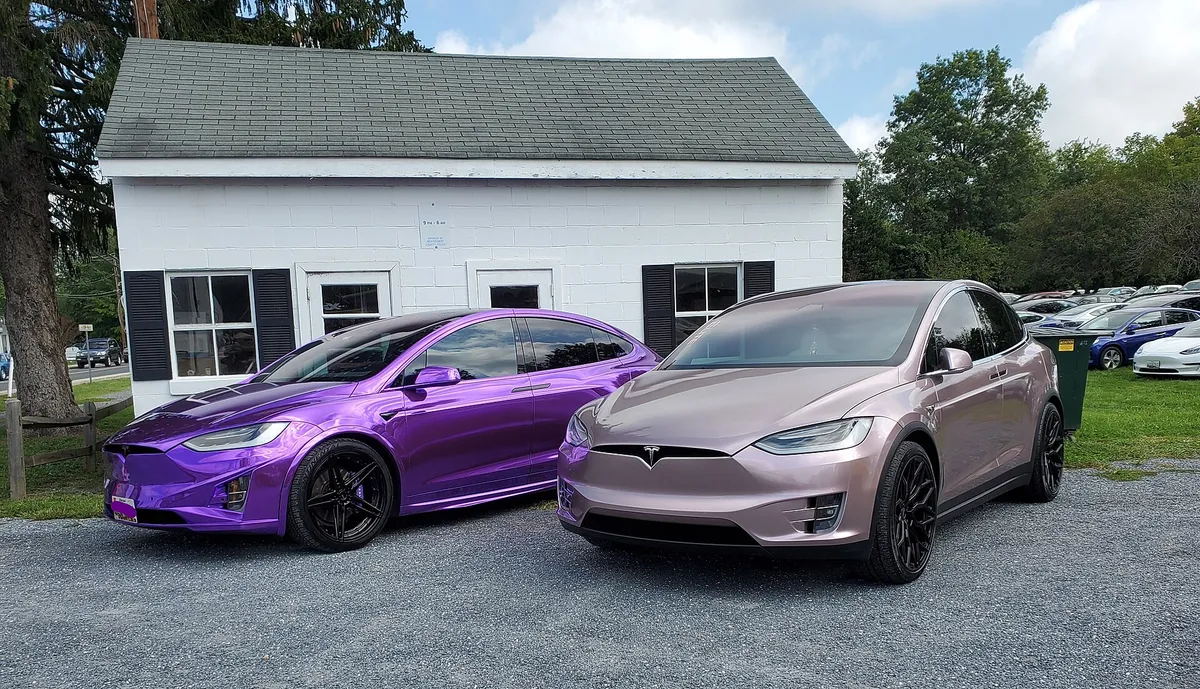
A car that improves overnight is the pitch. The other side of the same mechanism is a car that changes overnight, sometimes removing or relocating something you had built a habit around. Here is what is actually within your control.
What you control, and what you don't
You control timing, partly. Updates download over Wi-Fi and wait for you to schedule the install. You can defer, and you can choose the moment. What you cannot do is defer forever — some updates are pushed as mandatory, and safety-related ones especially.
You do not control version. There is no owner-accessible rollback. This is worth internalising before an update lands rather than after: the decision you are making when you tap "install" is not reversible by you.
You partly control cadence. Where an early-access or advanced preference exists, opting out of it means you receive changes later and more settled. If your car is a work tool rather than a hobby, that is the setting to check.
Read the release notes before you install, not after
The notes appear in the update prompt on the touchscreen and in the app. Two habits make them useful:
- Read them while the car is parked and you have time — not at the moment you want to drive away.
- Note anything that touches a control you use without looking. Relocated controls are the most disruptive category of change, because muscle memory is exactly what a UI change invalidates.
If the notes mention a change to a driver-assistance behaviour, treat the first drive after it as a first drive. The car may behave correctly and differently at the same time.
If something is genuinely broken after an update
- Establish it is the update. Did it work the day before? Was there a phone OS update in the same window? A change of driver profile? Rule out the cheap explanations first.
- Restart the touchscreen (both scroll wheels held until it reboots). Parked, harmless, and it clears a real share of post-update oddities.
- Report it through the app, in the service request, with the software version, the exact symptom, and the conditions. "Version X, the rear camera shows a black screen every time reverse is selected, started after the update on [date]" is actionable. "Update broke my camera" is not.
- Keep the thread. If the issue turns into a warranty or consumer-rights matter later, a dated written report is the evidence that matters.
Update behaviour described here follows Tesla's own Software Updates support documentation as of July 13, 2026. Menu names and available preferences vary by software version and market.
The distinction that decides whether you have a claim
A regression — something that worked and now doesn't — is a defect, and it belongs in the warranty conversation. A removed or relocated feature is a product decision, and it generally does not, however annoying it is. Being clear about which one you are reporting saves everybody time and gets the actionable ones fixed faster.
Where the line falls on features you paid for separately is genuinely less settled, and it varies by market and by what was advertised at the time of sale. That is a question for your own consumer-protection body rather than for a referral site, and we are not going to pretend otherwise.
One thing an update cannot touch
Your referral benefit. It is attached to the order and held on the account, not stored in the car's software. No update grants it, revokes it or alters it — the only moment it was ever decided was checkout. If your phone is also misbehaving after a phone update, the companion note on phone key failures covers that separately.